
Are Polyphenol Supplements Worth It? A Science-Based Answer

Table of Contents
What Polyphenols Are and Why They Matter
Polyphenol Supplement Benefits: What the Research Shows
Polyphenol-Rich Foods vs. Supplements: Which Delivers More Value
Polyphenol Supplement Dosage: What Actually Works
Polyphenol Supplement Side Effects and Safety Concerns
The Real Answer: Are Polyphenol Supplements Worth It?
Frequently Asked Questions
Last Updated: October 12, 2026
What Polyphenols Are and Why They Matter
Polyphenols are plant compounds with antioxidant and anti-inflammatory properties found naturally in foods like berries, tea, cocoa, and red wine. Your body uses them to fight oxidative stress and free radicals, which damage cells over time. Think of them as your cells' defense system against everyday wear and tear.
These plant compounds come in many forms. The main types include flavonoids, phenolic acids, stilbenes, and lignans. Each type works slightly differently in your body, but they all share one job: protecting your cells from damage.
Why does this matter? Chronic disease often starts with inflammation and oxidative stress. When your body can't fight these processes naturally, problems develop. Polyphenols help tip the balance back in your favor.
Most people don't get enough polyphenols from food alone. That's where the question of supplements becomes relevant.
Key Takeaway Polyphenols are your cells' natural defense against aging and disease. The question isn't whether they matter, it's whether you're getting enough.
Polyphenol Supplement Benefits: What the Research Shows
The potential benefits of polyphenol supplements sound impressive: better heart health, improved blood sugar control, reduced inflammation, enhanced gut health. But which ones actually work?
Judi in the Kitchen
Research on individual polyphenol supplements shows mixed results. Some benefits have stronger evidence than others:
Heart health and blood pressure: Studies suggest that certain polyphenols may support healthy blood pressure and lipid profiles. Nitric oxide production improves, which helps your arteries function better. This is one of the more consistent findings in the research.
Blood sugar and insulin resistance: Polyphenols appear to help with glucose regulation, though the effect is often modest. If you're managing blood sugar, they may help, but they're not a replacement for diet and exercise.
Inflammation and oxidative stress: This is where polyphenols show their strongest potential. They genuinely do reduce markers of systemic inflammation in lab studies. Whether that translates to feeling better in real life is less clear.
Gut health and digestion: Your gut microbiome loves polyphenols. They feed beneficial bacteria and support digestive function. This is one area where food sources and supplements seem to work similarly.
The honest truth: most benefits are real but modest. You won't see dramatic changes. You'll see incremental improvements in markers that matter for long-term health.
Watch Out Don't expect polyphenol supplements to replace a healthy diet or exercise routine. They work best as part of a broader health strategy, not as a standalone fix.
Polyphenol-Rich Foods vs. Supplements: Which Delivers More Value
Here's where the real decision lies. You can get polyphenols from food or from supplements. Which option actually works better? The honest answer depends on three things most articles skip: dose, absorption, and what else is in the matrix.
Food sources win on absorption, and here's the mechanism. When you eat berries, tea, cocoa, or pomegranate, you're not just getting polyphenols. Your gut microbiome processes that package naturally, converting many polyphenols into smaller metabolites (like urolithins from ellagitannins in berries and pomegranates) that are what actually circulate in your blood and reach your tissues (pubmed.ncbi.nlm.nih.gov).

Supplements offer convenience, and a dose you can't easily get from food. One capsule or bar can deliver a concentrated amount of a specific compound without the calories or prep time. If you're busy, that fits into your routine easier than eating multiple servings of berries daily.
The dose and absorption gap, compound by compound:
Curcumin (turmeric): Poorly absorbed on its own. Most clinical research pairs it with piperine (black pepper extract) or a lipid formulation to raise blood levels. Plain curcumin powder in a capsule is largely excreted.
Resveratrol (grapes, red wine): Rapidly metabolized in the gut and liver, so very little reaches the bloodstream unchanged. Supplement doses in studies are often far higher than what food provides, and that gap is exactly why the evidence is mixed.
Green tea catechins (EGCG): Well absorbed from brewed tea. High-dose EGCG extracts have been linked to liver injury in rare cases, which is why concentrated green tea supplements carry more caution than the beverage (pubmed.ncbi.nlm.nih.gov).
Anthocyanins (berries): Absorbed in small amounts as intact compounds, but their benefits appear to come largely from gut-derived metabolites, another reason whole berries outperform isolated anthocyanin powders.
The real comparison:
Factor | Whole Foods | Supplements |
Bioavailability | Higher (natural matrix, microbiome conversion) | Variable (depends on extraction and formulation) |
Dose per serving | Modest but consistent | Concentrated, sometimes far above food levels |
Convenience | Requires prep time | Ready to eat |
Calories | Higher (natural food) | Minimal |
Cost per serving | Lower | Higher |
Additional nutrients | Yes (fiber, vitamins, minerals) | Usually no |
Safety margin | Wide | Narrower at high doses |
How to read a supplement label before you buy. This is where most shoppers get lost. Look for:
Extract type, is it a whole-food powder, a standardized extract, or an isolate? Standardized extracts list a percentage of a marker compound (for example, "95% curcuminoids" or "50% EGCG").
Standardized active compounds, a number tells you what you're actually getting; "proprietary blend" tells you nothing.
Serving size vs. dose, a label may say "500 mg" per capsule but require three capsules for the studied dose.
Third-party testing, look for seals from USP, NSF, or ConsumerLab, which verify that what's on the label is in the bottle.
For most people, the answer is both. Eat polyphenol-rich foods as your foundation. Use supplements to fill gaps when you can't eat enough whole foods, and choose products that disclose their extract type and dose rather than hiding behind a blend.
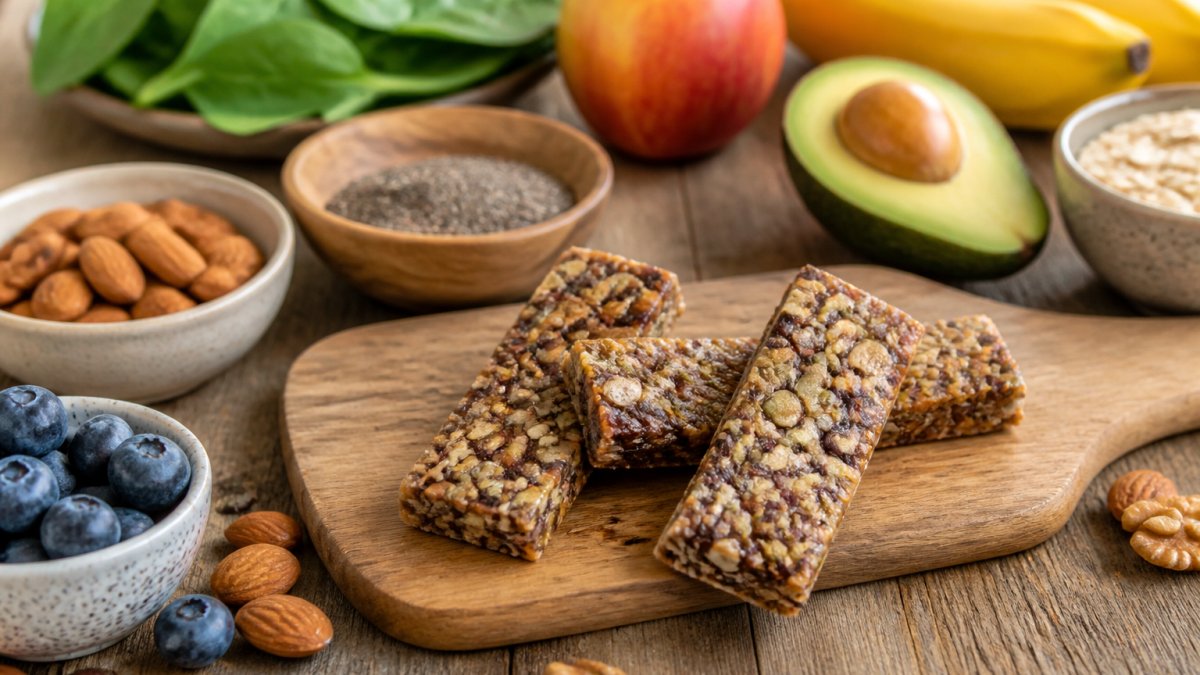
Pranam Bars bridges this gap. Our bars deliver polyphenol-rich ingredients in their whole-food form, not as isolated extracts. You get the polyphenols your body recognizes, plus the fiber and nutrients that come with real food.
Polyphenol Supplement Dosage: What Actually Works
The dosage question matters. Too little does nothing. Too much might cause problems. What's the right amount?
Most clinical studies use between 200-600mg of polyphenols daily. That's the range where you see measurable benefits in research. Less than that, and the effect tends to disappear. More than that, and you don't see proportional improvements.
But here's the problem: supplement labels don't always tell you the actual polyphenol content. Some list "total polyphenols," others list specific compounds like EGCG from green tea extract. You can't always compare apples to apples.
The safest approach: start with the dose recommended on the label and stick with it for at least 4-6 weeks. Your gut needs time to adapt. Results don't appear overnight.
Pro Tip Track how you feel after 6 weeks. Better energy? Clearer digestion? Fewer inflammatory symptoms? If you notice nothing, a higher dose probably won't help. Your body either responds or it doesn't.
Common dosing mistakes:
Taking supplements inconsistently (your body needs regular exposure to see benefits)
Jumping to the maximum dose immediately (start low, adjust up if needed)
Expecting results in days (polyphenol benefits take weeks to appear)
Mixing multiple polyphenol supplements without tracking total intake
Polyphenol Supplement Side Effects and Safety Concerns
Polyphenols are generally safe. Your body handles them well because you've been eating them in food for your entire life. But supplements change the equation.
Common side effects are mild: Some people report digestive upset, mild headaches, or temporary changes in bowel movements when starting supplements. These usually resolve within a few days as your gut adjusts.
Medication interactions matter. Polyphenols can affect how your body processes certain medications. If you take blood thinners, diabetes medications, or blood pressure drugs, talk to your doctor before starting polyphenol supplements. High-dose polyphenols might interact with these medications.
Who should avoid polyphenol supplements:
People taking anticoagulants (blood thinners)
Those with bleeding disorders
Individuals on diabetes medications (polyphenols affect glucose)
Pregnant or nursing women (limited safety data)
People with iron deficiency (some polyphenols reduce iron absorption)
High-dose toxicity is rare but possible. Your body processes polyphenols through your liver and kidneys. Extremely high doses over long periods might stress these organs. Stick to recommended doses and you'll stay safe.
The bottom line: polyphenol supplements are safe for most healthy adults. Check with your doctor if you have any chronic conditions or take medications regularly.
The Real Answer: Are Polyphenol Supplements Worth It?
Let's be direct. Are polyphenol supplements worth your money? The honest answer is: it depends on which compound and which goal, because the evidence is not equally strong across the category.
Evidence by compound and outcome. Treating "polyphenols" as one thing is the biggest mistake shoppers make. Here's how the evidence actually grades out:
Green tea catechins (EGCG), strongest evidence. The most consistent findings are for blood pressure and LDL cholesterol, with effects that are real but modest. This is the compound where a supplement is most defensible if you don't drink tea.
Cocoa flavanols, strong evidence for vascular function. Studies show improvements in endothelial function and modest blood pressure reductions. The catch: you can get the same flavanols from dark chocolate or cocoa powder, usually for less money.
Curcumin, promising but formulation-dependent. Anti-inflammatory effects appear in research, but only when paired with absorption enhancers like piperine. Plain curcumin capsules are largely wasted.
Resveratrol, weakest evidence. Despite the hype, human trials have not delivered consistent benefits, and absorption is poor. This is the supplement most likely to be a waste of money.
Anthocyanins and berry extracts, mixed. Benefits appear tied to the whole-food matrix and gut metabolites, which is hard to replicate in a capsule.
Cost and value compared with food. This is the part the "worth it" question really turns on.
They're worth it if:
You want a specific, evidence-backed compound (like EGCG for blood pressure) and won't get it from diet
You already eat a healthy diet but want to optimize a specific marker
You struggle to eat enough polyphenol-rich foods consistently
You choose a product with a disclosed extract type, standardized actives, and third-party testing
You're willing to take it regularly for at least 8-12 weeks
They're probably not worth it if:
Your diet is already full of berries, tea, dark chocolate, and whole foods
You're hoping a supplement will fix an otherwise poor diet
You're buying resveratrol or unformulated curcumin on hype alone
You have budget constraints (whole foods deliver similar benefits for less)
You expect quick results or dramatic changes
Medication interactions and who should be cautious. Polyphenols are not inert. High-dose green tea extract, curcumin, and resveratrol can affect how your body processes certain drugs. Talk to your doctor before starting if you take blood thinners or antiplatelet drugs, diabetes medications, blood pressure medications, or chemotherapy agents.
The honest assessment: Polyphenol supplements fill a real need for busy people who can't consistently eat enough whole foods, but only when you pick the right compound for the right goal and read the label carefully. They're not magic, and they're not interchangeable.
Pranam Bars offers bars that deliver polyphenols in whole-food form with the convenience of a snack. You get real food, not isolated extracts. You get fiber and nutrients alongside the polyphenols. And you get a product formulated by a neuroscientist.
If you're considering polyphenol supplements, ask yourself two questions: Which compound, and for what goal? If you can't answer both, save your money and eat more berries. If you can, a convenient whole-food source makes sense.
Key Takeaway Polyphenol supplements aren't one category, they're a dozen compounds with different evidence, doses, and risks. They're worth it when you match the right compound to a specific goal and buy from a label you can actually read.
Frequently Asked Questions
Are polyphenol supplements better than eating polyphenol-rich foods?
Whole foods deliver polyphenols alongside fiber, vitamins, and minerals your body uses together. Supplements concentrate isolated polyphenols, which may absorb differently and miss those supporting nutrients. Research suggests food sources produce better long-term health outcomes, though supplements can help when dietary intake is consistently low. Cost and convenience matter too, whole foods typically cost less per serving and provide satiety that supplements don't.
What is a safe polyphenol supplement dosage?
Start with the manufacturer's recommended dose and consult your doctor if you take blood thinners, diabetes medications, or have kidney disease.
Do polyphenol supplements have real health benefits?
Short-term studies show polyphenols improve blood pressure, cholesterol, and inflammation markers in controlled settings. However, most human trials last weeks to months, not years. Benefits are modest, typically 5-10% improvement in measured outcomes. The evidence is strongest for heart health and blood sugar control, weaker for weight loss or cognitive function. Real-world results depend on consistent use alongside a healthy diet.
Can you get too much polyphenol from supplements?
Yes. Consult your doctor if you have concerns about excessive polyphenol intake, especially if you have iron-deficiency anemia, take anticoagulants, or have kidney disease.
Shop Bars Now

Comments