
How to Get Enough Protein on a Vegan Diet: 2026 Guide

Table of Contents
Why Vegan Protein Needs a Plan
How to Calculate Protein Intake for Your Body
Protein Requirements by Activity Level
Using a Simple Protein Calculator
Why Bioavailability Changes the Math
Protein Needs by Life Stage
Top Plant-Based Protein Sources and Their Amino Acid Profiles
Legumes, Beans, and Pulses Explained
Soy-Based Options: Tofu, Tempeh, and Edamame
How to Combine Plant Proteins for Complete Amino Acids
Building a High Protein Vegan Meal Plan
Sample Day of Eating for 100g+ Protein
Best Vegan Protein Snacks for Busy Days
Budget-Friendly Protein Strategies and Post-Workout Timing
The Cheapest Vegan Protein, Ranked by Cost per Gram
Post-Workout Timing: What Actually Matters
Frequently Asked Questions
Last Updated: September 24, 2026
Why Vegan Protein Needs a Plan
Plant-based eating delivers plenty of protein, but only if you build meals with intention. Unlike mixed diets where a chicken breast quietly covers the gap, a vegan plate rarely lands on target by accident. This guide walks through how to get enough protein on a vegan diet without weighing every gram.
Key Takeaway Vegan protein planning is about amino acid distribution, not just hitting a gram total. Fix the pattern first, then count.
How to Calculate Protein Intake for Your Body
Protein needs on a vegan diet follow the same baseline as any eating pattern, with an adjustment for plant protein's lower bioavailability. Start with your weight in kilograms, then apply an activity multiplier.
Protein Requirements by Activity Level
Activity Level | Grams per kg | Example (70 kg / 154 lb) |
Sedentary | 0.9 | 63 g |
Lightly active | 1.1 | 77 g |
Regular training | 1.4 | 98 g |
Strength / endurance | 1.6-1.8 | 112-126 g |
For context, a 70 kg person training four times a week sits around 100 to 110 grams per day. That's the working target for most of this article.
Using a Simple Protein Calculator
Multiply your weight in pounds by 0.45 to get kilograms, then multiply by the table's multiplier. A 160 lb person is roughly 73 kg; at 1.4 g/kg, that's about 102 grams per day.
Why Bioavailability Changes the Math
Total grams on a label aren't the same as grams your body can use. Plant proteins are packaged inside cell walls with fiber and antinutrients like phytates and tannins, which slow digestion. The result: a smaller share of whole-plant protein ends up as usable amino acids than from animal sources.
Improve absorption without changing what you eat:
Cook your legumes. Heat breaks down antinutrients and starch structure, raising digestibility.
Soak and sprout. Overnight soaking and sprouting reduce phytates that slow protein breakdown.
Ferment when you can. Tempeh, miso, and sourdough are more digestible because fermentation pre-digests some compounds.
Chew thoroughly and cook grains well. Undercooked grains and rushed eating reduce protein extraction.
Protein Needs by Life Stage
One multiplier doesn't fit everyone. The same 70 kg body has different needs by age and training load:
Teenagers (14-18): Growth plus sport can push needs to 1.4 to 1.8 g/kg. Teen athletes are most likely to under-eat protein on a vegan diet because calorie needs are high and appetite is unpredictable.
Adults 19-64: The table above applies; regular resistance training pushes you to the upper end.
Older adults (65+): Many practitioners recommend 1.0 to 1.2 g/kg even for sedentary older adults, with 25 to 30 grams per meal to overcome age-related resistance to muscle protein synthesis.
Endurance athletes: Daily totals of 1.2 to 1.6 g/kg are common, spread across the day rather than loaded post-run.
Key Takeaway Start with body weight and activity, then add 10 to 20 percent for plant bioavailability. Life stage can push that higher, especially for teens and older adults.
Top Plant-Based Protein Sources and Their Amino Acid Profiles

Legumes, Beans, and Pulses Explained
Legumes, beans, and pulses are the backbone of vegan protein. Cooked lentils deliver roughly 18 grams per cup, chickpeas and black beans about 15 grams. They're also high in fiber, supporting satiety and gut health.
Soy-Based Options: Tofu, Tempeh, and Edamame
Soy protein is the closest plant match to animal protein. Firm tofu packs about 20 grams per cup, tempeh around 31, and shelled edamame roughly 18. All three are complete proteins and rich in lysine, the amino acid most plant foods lack.
How to Combine Plant Proteins for Complete Amino Acids
You don't need to combine proteins at every meal. The old "complementary proteins" rule has softened; what matters is the total across the day.
SweetPotatoSoul
A simple framework:
Legume plus grain: lentils with rice, black beans with corn tortillas
Legume plus seed: chickpeas with tahini, black beans with pumpkin seeds
Soy plus anything: tofu or tempeh already covers the full profile
Pro Tip Keep frozen shelled edamame in the freezer. It thaws in minutes, delivers 18 grams of complete protein per cup, and works in salads, stir-fries, or straight from the bowl with salt.
Building a High Protein Vegan Meal Plan
A high protein vegan meal plan isn't about restriction. It's about front-loading protein at breakfast, where most plant-based eaters fall short, and keeping snacks protein-dense instead of carb-heavy.
Sample Day of Eating for 100g+ Protein
Breakfast: Oatmeal with 2 tbsp hemp seeds, 1 tbsp chia, and soy milk (approx. 25 g)
Snack: Handful of edamame (approx. 10 g)
Lunch: Lentil bowl with quinoa, tahini dressing, and roasted vegetables (approx. 28 g)
Snack: A plant-based nutrition bar or peanut butter on whole grain toast (approx. 12 g)
Dinner: Tempeh stir-fry with brown rice and broccoli (approx. 32 g)
That lands near 107 grams without supplements. Adjust portions up or down based on your target from the calculator above.
Best Vegan Protein Snacks for Busy Days
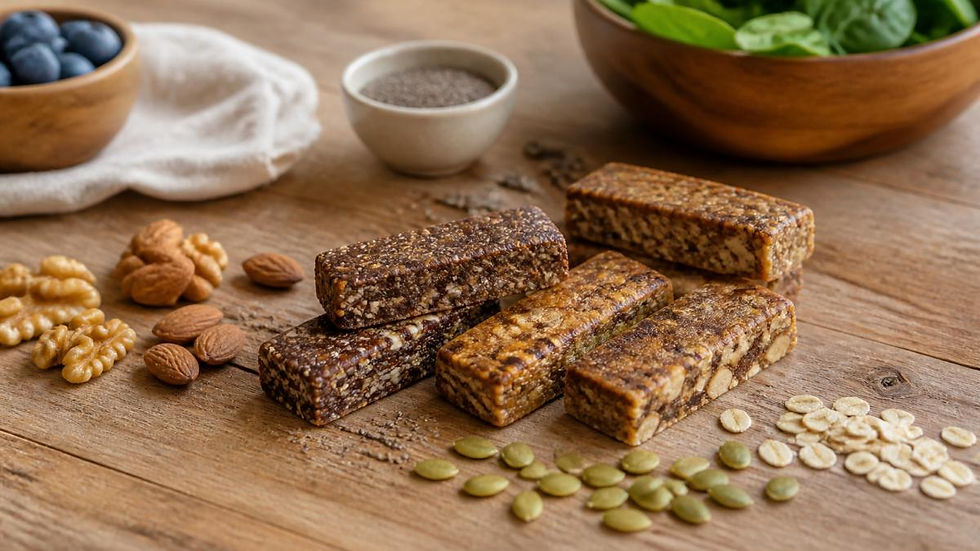
The best vegan protein snacks are the ones you'll actually eat when slammed. Shelf-stable, portable, and at least 10 grams per serving is the benchmark.
Watch Out Many "protein" snacks list 10 grams on the front but deliver most of it from isolated powders with little fiber. Check the ingredient list: if the first three items are syrups or isolates, it won't keep you full past an hour.
Budget-Friendly Protein Strategies and Post-Workout Timing
Two questions come up most once people understand the basics: how do I afford this, and when should I eat protein around training? Here are concrete numbers and a simple framework.
The Cheapest Vegan Protein, Ranked by Cost per Gram
Cost per gram of protein is the number that actually matters, not price per pound. Prices shift with region and season, but the ranking is stable across most of the country:
Source | Typical protein per serving | Relative cost per gram |
Dried lentils | 18 g per cooked cup | Lowest |
Dried beans (black, pinto, kidney) | 15 g per cooked cup | Very low |
Peanut butter | 7 g per 2 tbsp | Very low |
Tofu (block) | 20 g per cup | Low |
Canned beans | 15 g per cup | Low |
Oats | 5 g per half-cup dry | Low |
Soy milk | 7-8 g per cup | Low |
Tempeh | 31 g per cup | Moderate |
Seitan | 36 g per 3 oz | Moderate |
Plant protein powder | 20-25 g per scoop | High |
Packaged protein bars | 10-20 g per bar | Highest |
Three habits cut the bill further:
Buy dried in bulk and batch-cook. Cook a pound of beans or lentils on Sunday, refrigerate for the week, freeze what you won't finish.
Treat bars and powders as convenience, not staples. They earn their price on travel days and post-workout, not as your daily protein base.
Build meals around a cheap anchor. Lentil soup, bean chili, tofu scramble, and peanut noodles all hit 20-plus grams per serving for well under a couple of dollars.
Post-Workout Timing: What Actually Matters
The supplement industry sells urgency. The research is more relaxed. Total daily protein matters most for muscle growth and recovery. Timing is a smaller lever, but it still helps.
A common pattern among practitioners:
Eat 20 to 40 grams of protein within a couple of hours of training. This window is wider than the old "30-minute anabolic window" claim; if you ate a solid meal an hour before training, you have more slack.
Prioritize leucine. Leucine most directly triggers muscle protein synthesis. Soy, tofu, tempeh, and pumpkin seeds are strong vegan sources; roughly 2 to 3 grams per post-workout meal is the target.
Pair with carbs. Post-workout carbs replenish glycogen and, with protein, support recovery better than protein alone. Rice, oats, fruit, or sweet potato works.
Spread protein across the day. Four meals of 25 to 35 grams beats one large dinner for muscle maintenance, especially as you age.
Tempeh wrap with brown rice (about 30 g protein)
Soy milk smoothie with peanut butter and a banana (about 25 g)
Edamame bowl with quinoa (about 28 g)
A plant-based protein bar plus a piece of fruit (about 15 to 20 g)
Pro Tip If you train fasted in the morning, a soy-based shake or a tempeh breakfast within an hour of finishing is the highest-leverage meal of your day. If you train after lunch, your pre-workout meal already did most of the work.
Frequently Asked Questions
How can vegans get 100g of protein a day?
Hitting 100g of vegan protein requires intentional stacking. Start with a high-protein breakfast like tofu scramble (20g) or oatmeal with hemp seeds (15g). Lunch could be a lentil bowl (25g), and dinner a tempeh stir-fry (30g). Snack on edamame (18g) or a vegan protein bar (12g). Use a food tracker for the first week to see how portions add up. Most people find they need to increase serving sizes of legumes and add a protein powder or bar to close the gap.
Do plant-based proteins contain all essential amino acids?
Most plant foods contain all nine essential amino acids, but usually one or two are lower than the others. For example, grains are low in lysine, while beans are low in methionine. By eating a variety of plant proteins throughout the day, you get a complete amino acid profile. Soy, quinoa, hemp seeds, and chia seeds are exceptions that provide a strong balance on their own. You do not need to combine them at every meal, just aim for variety across the day.
Is it hard to get enough protein on a vegan diet?
It takes planning, but it is not hard once you know which foods are protein-dense. The key is to build meals around legumes, tofu, tempeh, or seitan instead of treating them as sides. Many new vegans undereat protein because they replace meat with pasta or rice without adding a protein source. Using a high protein vegan meal plan or tracking your intake for a few days can help you spot gaps. With a little practice, meeting your needs becomes second nature.
Are plant-based protein supplements necessary?
Supplements are not necessary for everyone, but they are a convenient tool for people with high protein needs or busy schedules. Athletes, pregnant women, and those aiming for 100g+ per day often find it easier to include a vegan protein powder or a high-protein snack bar. Whole foods should still make up the majority of your intake. If you struggle to hit your target through meals alone, a supplement can fill the gap without much effort.
Meeting protein goals on a vegan diet comes down to a handful of habits: know your target, anchor each meal, and keep protein-dense snacks within reach. Pranam Bars makes that last part easier with 100% plant-based, organic, gluten-free bars crafted in small batches and formulated to support gut health, digestion, and everyday energy. Shop Bars Now and give your busy days a protein snack that actually holds up.
Shop Bars Now


Comments